 For Children and Families
- Start the day with a healthy breakfast. It refuels your body and gives you energy for the day.
- Let kids help plan one meal each week and eat together as often as possible.
- Eat slowly. It takes 20 minutes for your brain to register that you are full.
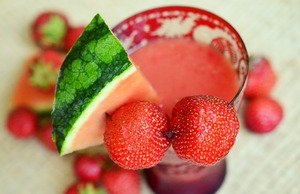
- Eat more vegetables and fresh fruits. Aim for a total of 2 cups of fruit and 2 1/2 cups of vegetables every day.
- Eat more whole grains (e.g., oats, brown rice, rye, crackers, whole-wheat pasta). Try to eat at least 3 ounces of whole grains every day.
- Drink plenty of fluids. Choose water, low-fat or nonfat milk and low calorie or diet beverages. Serve a variety of foods.
 For Parents
- Reward children with praise rather than with food.
- Serve food in smaller portions. Do not demand or reward “a clean plate.” Let your child ask for more if he or she is still hungry.
- Read nutrition labels for serving size and calorie information. The information on the labels can help you select foods that best fit into your family’s meal and snack plans.
- Bake, broil or grill foods to reduce fat. Rather than cooking with butter or vegetable oil, try healthier versions like olive, canola or sunflower oil.
- Snacks should provide nutrients and energy, which are essential for active, growing children.
- Do not give your child vitamin supplements unless they are recommended by your doctor.
- Children imitate their parents, so set a good example by eating healthy foods.
- Keep a variety of snacks in the house, such as fresh fruit, vegetables, whole-grain cereals and crackers. Try lower
- calorie or lower fat foods, like baked chips, reduced-sugar cereals or low-fat dressings.



Very wonderful school, I love Juneberries! You guys rock! Happy 1st year anniversary